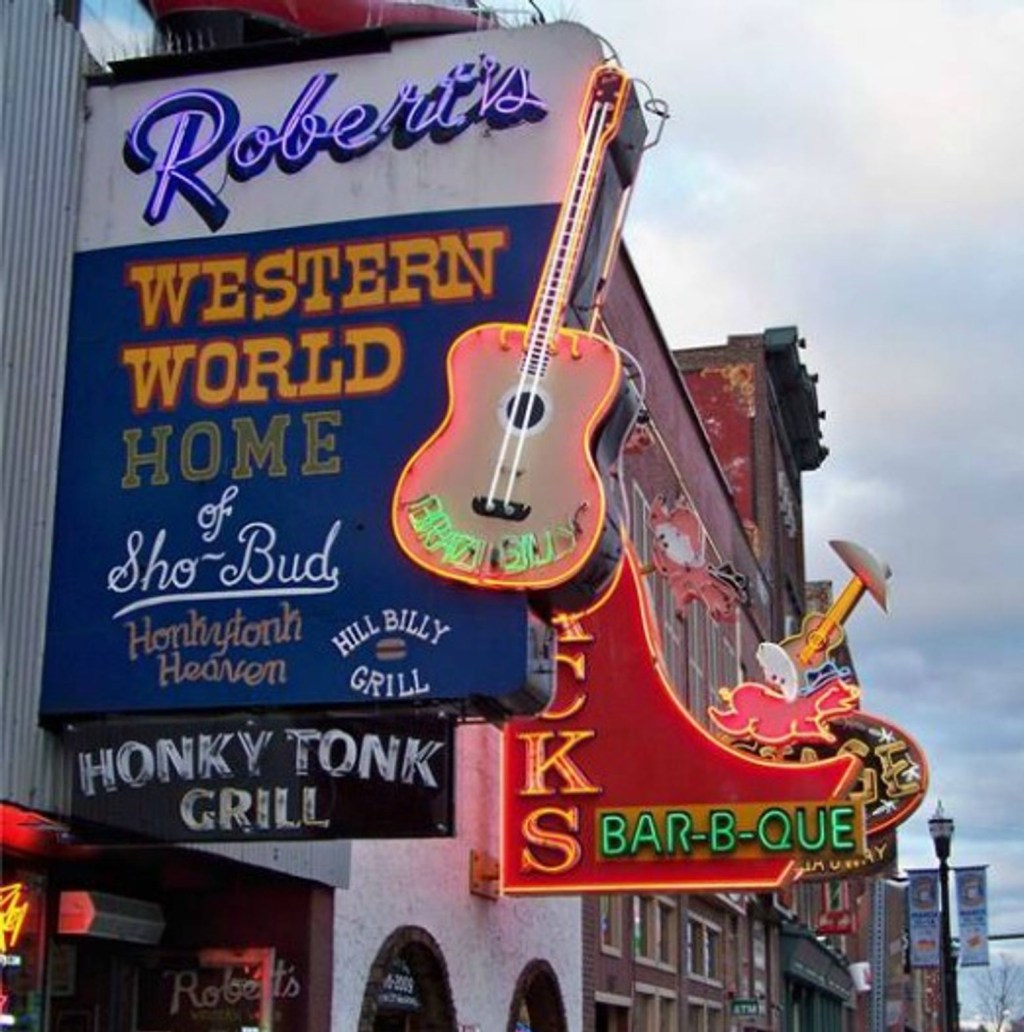
“Crosby, what’s a honky tonk?”
“That’s a weird question, Buddy. Why do you ask?
“I heard Mom tell Dad they were going to the Assembly Food Hall today in Nashville with Aunt Nancy, and then to the honky tonks on Broadway.”
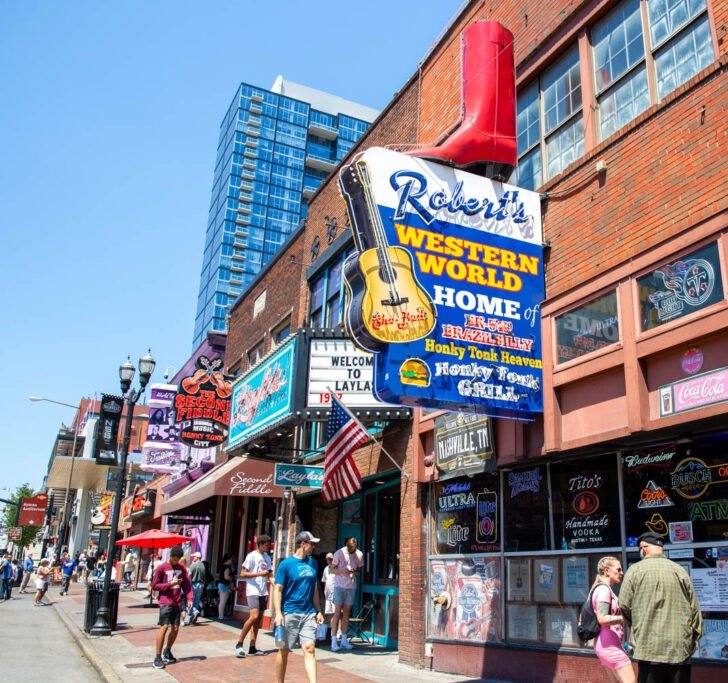
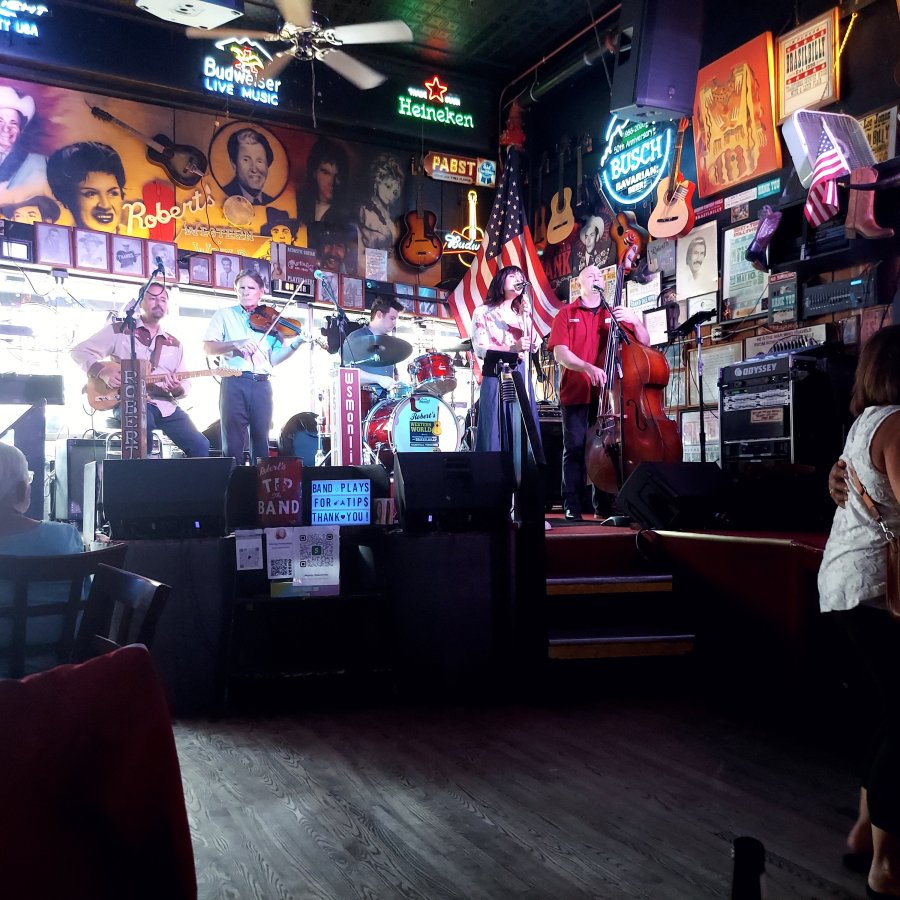
“Here’s the best way I can describe it, Buddy. Honky tonks are the old bars that play music from the 50’s by stars like Patsy Cline, Hank Williams, George Jones and Willy Nelson. There is usually a fiddle player on stage, guitar player, bass player, drummer and a singer. Beers are cheap, they don’t charge you to go inside but they pass a tip jar around that helps pay the band. “
“Are Mom & Dad going to sing, Crosby?”
“No, Buddy. They are just going to listen to that good old country music they have loved for years. But they might sing along to their favorite songs! “
“Are they going to get drunk and dance? That would be funny!”
“No, Buddy. They’re just going to listen, then come home to feed us!”

“I want to go, Crosby. I even have my cowboy hat to wear! I bet I could learn the Two-Step dance – they say if you can count to two, you can do it – one, one-two…one, one-two!”
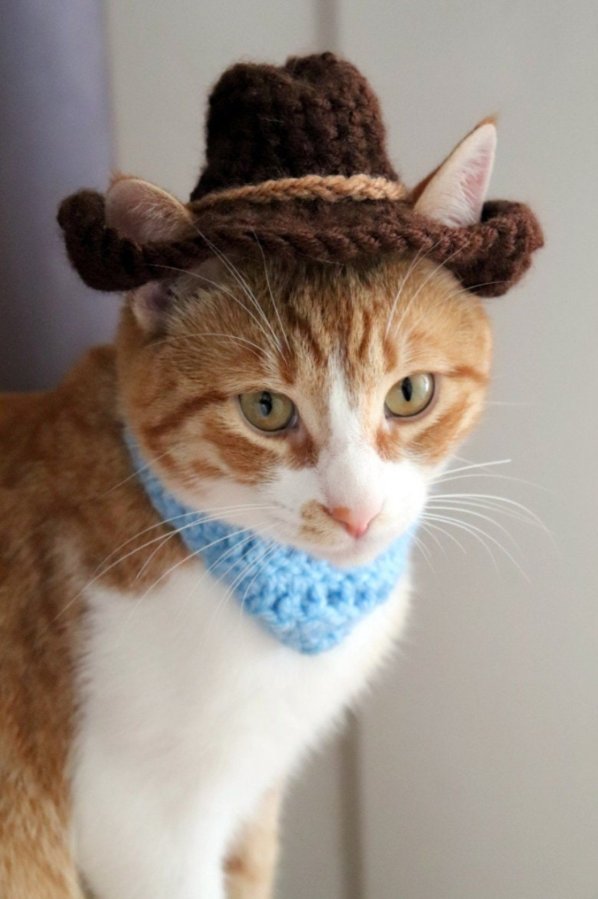

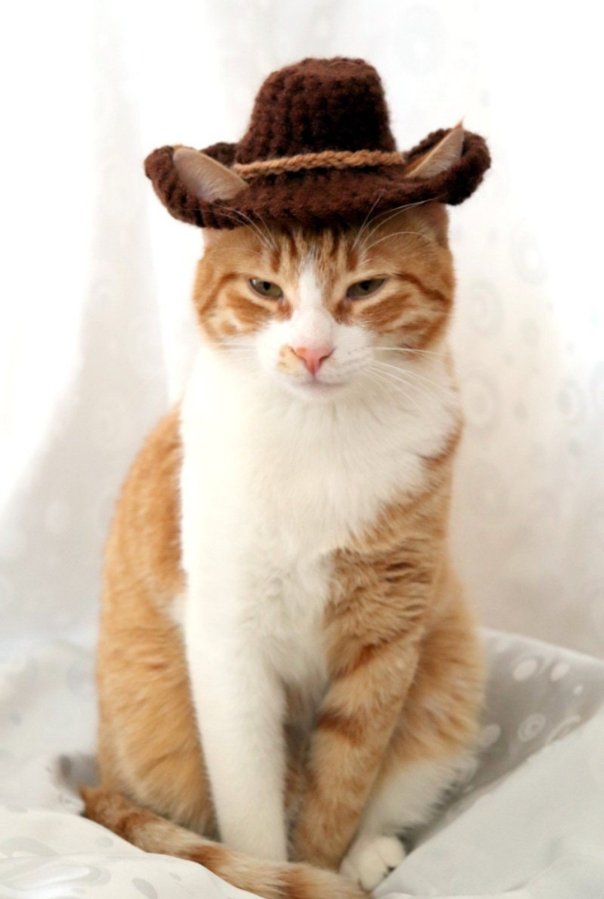
“Buddy, you would have to do the Four Step – you have 4 feet! One, two, three, four…one, two, three, four.”
“Maybe we’ll just stay home and wait to see what they bring us from the Food Hall! I hope it’s a fried bologna sandwich!”
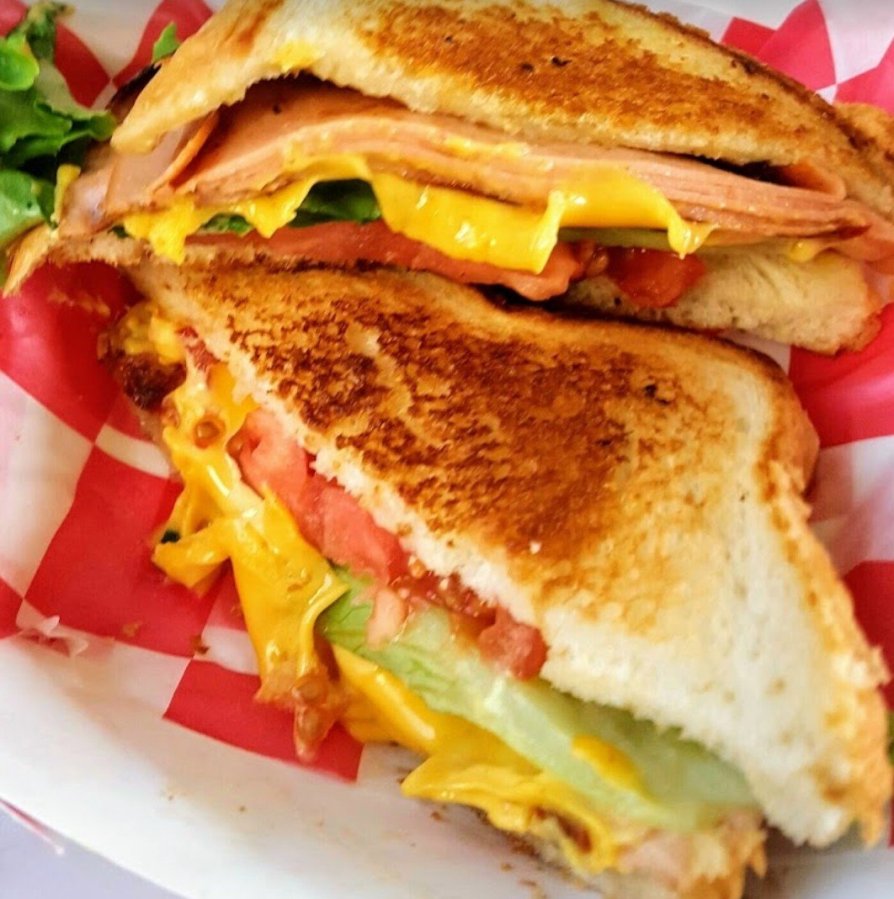
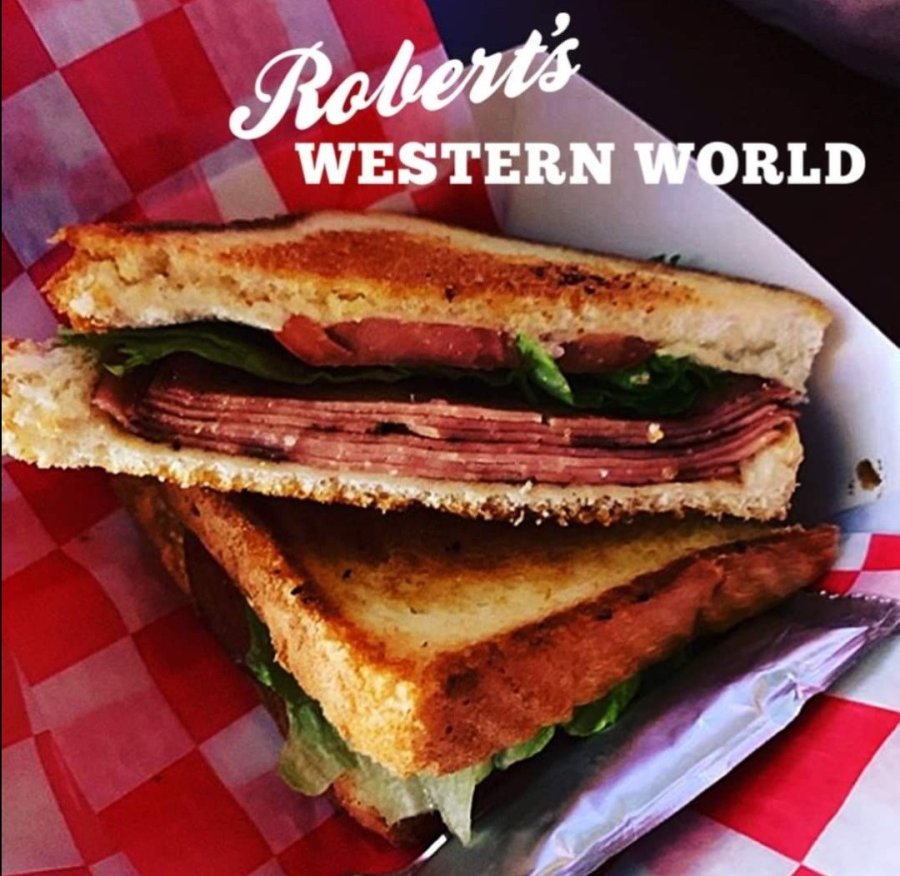
(From Opry.com) A Honky Tonk is an old-time bar in which country music is played. The headshots that line the walls are yellowed and the wooden dance floor creaks beneath your feet, but the beer is cold, the music is good, and inside these iconic institutions, the artists who take the stage are all chasing a dream.
It’s been this way since the days of Patsy Cline. One of Lower Broadway’s first honky-tonks, Tootsie’s Orchid Lounge was well positioned to serve as the Ryman’s unofficial green room, sharing an alleyway with the Mother Church of Country Music. When the Ryman played host to the Grand Ole Opry, performers often entered through the backdoor of Tootsie’s, where they could cut loose and play a few tunes that were different from those in their Opry set.
For as long as honky-tonks have existed, they’ve symbolized the democratic nature of country music. Blue collar, white collar, or no collar, patrons can enjoy live music for the price of a single beer while artists and songwriters have historically tinkered with new instrumentation and themes in their music.
A traditional honky-tonk song, such as Ernest Tubb’s “I’m Walking The Floor Over You” or Hank Williams’ “Your Cheatin’ Heart,” is saturated with the sounds of a steel guitar, fiddle, and yes — heartache. Though the exact origin of the word “honky-tonk” is unclear, a popular theory suggests that it’s is an onomatopoeic nod to the loud, unrestrained style of music that poured out of these bars.
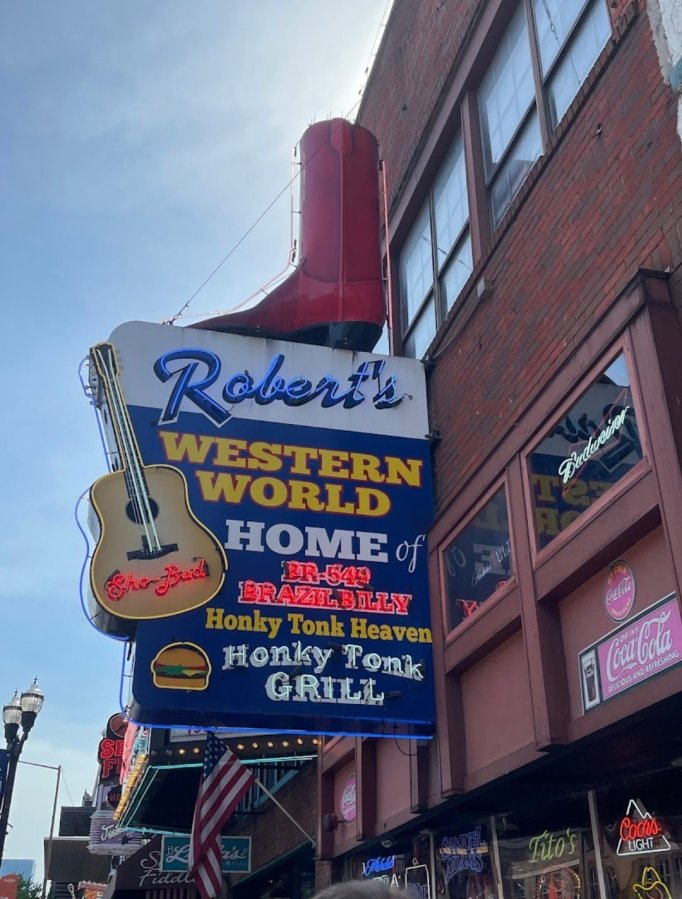
These unique venues have been immortalized in classics like Kitty Wells’ “It Wasn’t God Who Made Honky Tonk Angels,” which you can still hear being performed at the reverential Robert’s Western World. Today, many contemporary hit-makers pay homage to their humble honky-tonk beginnings with lyrics such as those from Jason Aldean’s “Crazy Town.”
“Pay your dues and you play for free,
And you pray for a honky-tonk destiny,
You cut your teeth in the smoky bars,
And live off the tips from a pickle jar”
Robert’s Western World is Nashville’s undisputed home of traditional country music. If you long for the soulful sounds of the old-time, honky tonk crooners and cherish the music of stars such as Marty Robbins, Johnny Cash, Hank Williams, Roy Acuff, Ernest Tubb, Little Jimmy Dickens, Hank Snow, Patsy Cline, Loretta Lynn, Webb Pierce, Carl Smith, Carl Perkins, Johnny Horton and many more – you will feel like you have stepped back in time at Robert’s Western World. Nashville Scene readers have consistently voted Robert’s as the Best Honky Tonk in Nashville.
 Crosby and Buddy - Tails of Two Kitties