Paw Print Magazine’s Brenda Howard says “It’s never too soon to prep your furry family for cold weather to keep them safe once winter blows in.”
Cold is one of the biggest dangers for pets in winter. A good rule of thumb is: “if it’s too cold for a person to be outside, it’s too cold for the pet.”
Cats and small dogs can get cold quickly when the temperature drops. If they come inside shivering, let them snuggle into warm blankets or towels. If you think you see frostbite – discoloration of ears, paws or tail, blistering or fluffing skin – call your vet ASAP and lightly place warm blankets on Tails, ears, and toes. Do not squeeze or rub any possible frostbite extremities.
Tolerance to cold changes as a pet ages. Older pets lose muscle mass and sometimes fat, making it hard to stay warm. Be sensitive to gray-muzzled dogs and older cats shivering.
Be aware of winter toxins including antifreeze and ice-melting salt. Clean up any antifreeze drips around your car in the garage – it has an attractive flavor to cats and even a little can damage kidneys and the nervous system.
Use “pet-safe” versions of ice melts. To be safe, after a pet walk keep towels at the door and wipe down pets paws after time outside.
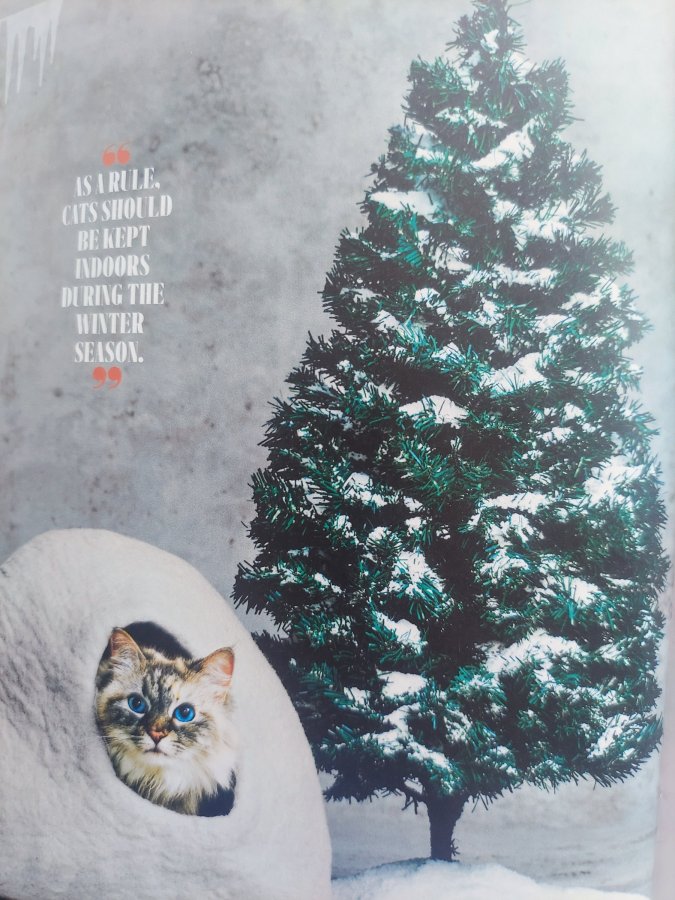
Note: Crosby & Buddy always stay inside, but our first stray that adopted us was born in the wild and loves being outside, so this info helps us take good care of her. Make sure to keep outdoor cats well-watered, well-fed, and warm. Keep an electrically safe heater in the water to provide unfrozen water. Consider feeding more in winter months. Make a shelter from the cold – a garage or heated shed/barn or other enclosure. Do not cover the whole floor of a dog or cat house with heat – animals need to be able to regulate their own body temperature, getting on & off the heat as needed.
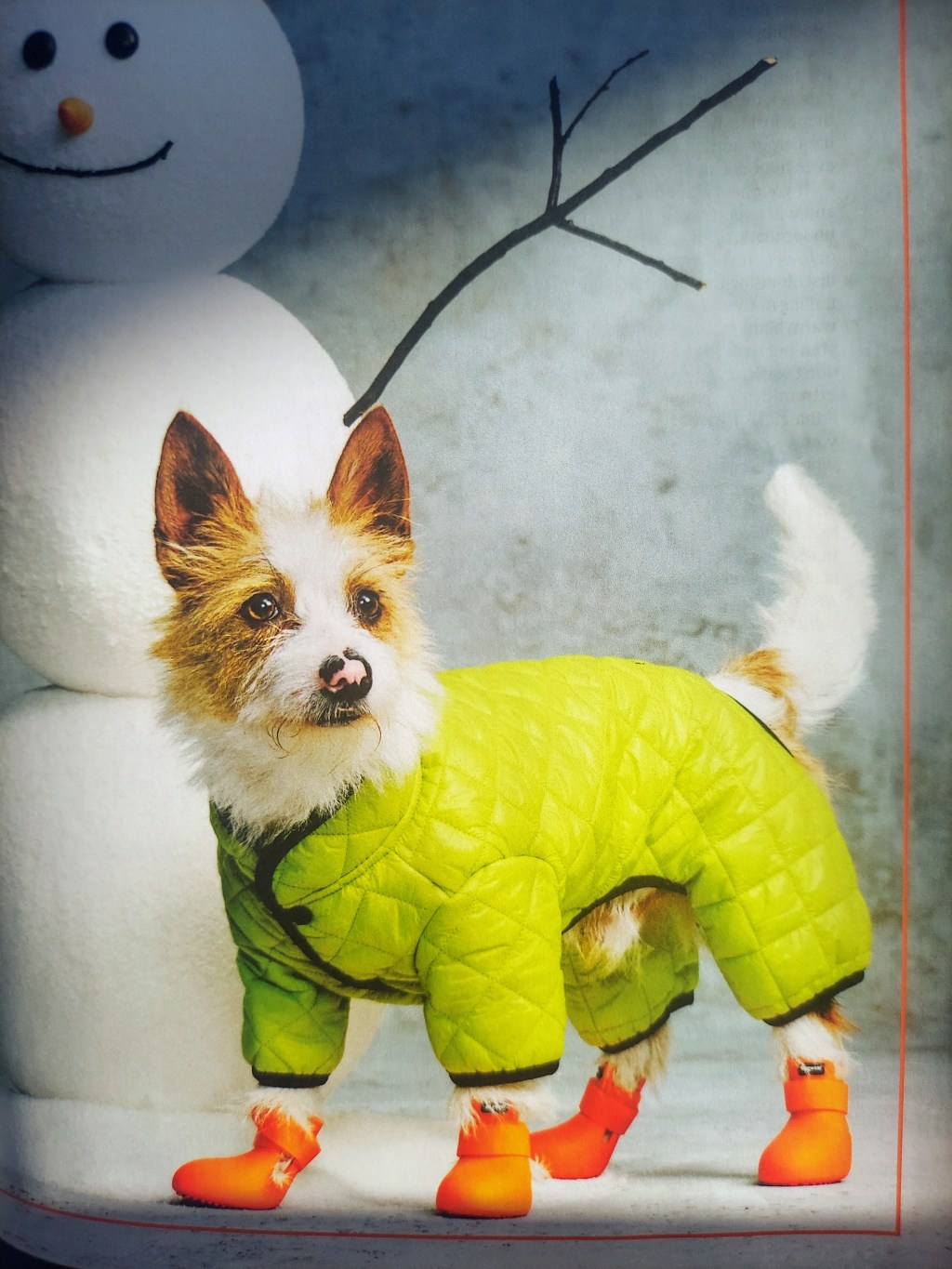
Buy a winter wardrobe – coats & boots are great in cold, snowy months. Booties may be uncomfortable at first, so get started in Summer & Fall. Put on 1 boot, give a few treats, and take the boot off. Work your way up to booties on all 4 feet for a few minutes at a time until they get used to them. Boots should be lightweight, waterproof, have a soft sole and pricier good traction on slippery surfaces.
If you find cracked, dry paws, use a pet-friendly wax or balm.
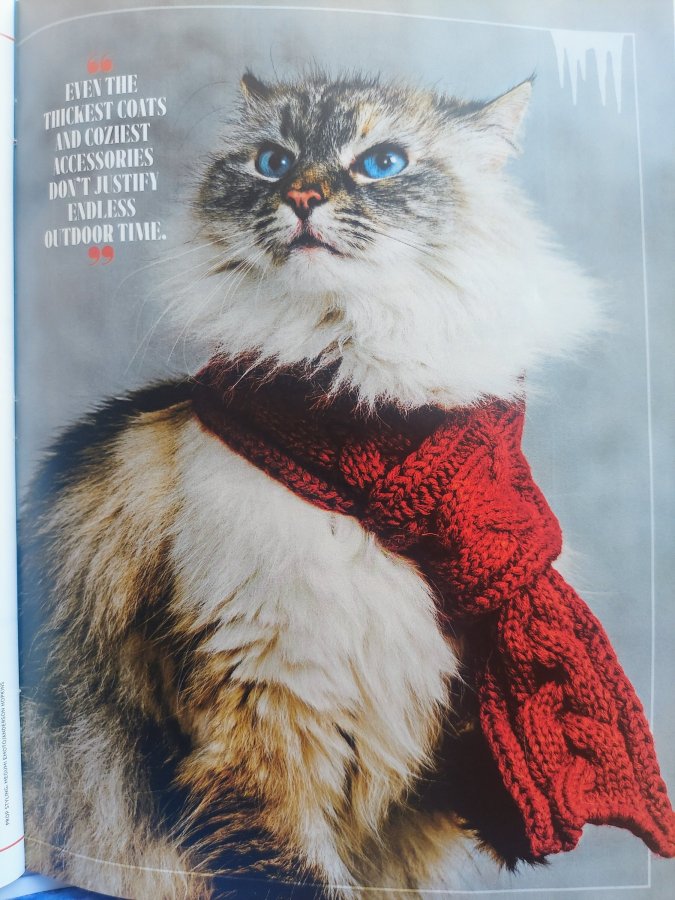
Please remember that the thickest coats & booties don’t mean endless outdoor time. Small, thin-furred breeds can’t tolerate more than a few minutes of cold. With preparation and the wisdom to know when it’s time to come indoors, you abs your pet can enjoy cold-weather winter frolics, or at least a daily walk outside.
If you liked this article, you can get America’s premier pet magazine for free! Dedicated to dog & cat owners, Paw Print features need-to-know info, heartwarming tales, and beautiful images. Vet-approved advice, breed spotlights, grooming tips, pet behavior explained and much more!

Reference: PawPrint Magazine’s Fall 2022 issue. Www.DailyPaws.com/pawprint
 Crosby and Buddy - Tails of Two Kitties